
Payroll and Tax Mistakes to Avoid – by Benita Tyler
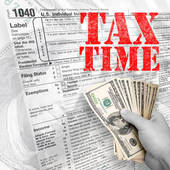
When it comes to classifying the people who work for you it is important to know how to properly classify payments for payroll and keep your company in tax compliance. Here are a few things that will help you when it comes to reporting payroll at tax time.
Employees
- An employee may be hired to work in your company on a full or part-time basis. You set their work hours, provide workspace and resources to carry out their assignment and have direct control over how they should perform the work. Assistants, teachers, and food service workers are examples of employees in a child care business.
- Having employees on staff means that you will be responsible for meeting Federal, State and Local reporting requirements. A payroll provider or accountant can assist in setting up income tax withholdings, completing payroll and filing payroll tax forms.
- Be sure to issue Form W-2 Income Tax Withholding to your employees at year-end. This document summarizes the gross earnings and income taxes that were taken out each pay period. File copies with the IRS, State, and local tax authorities, if applicable.
Contractors
- A contractor is hired to work on a project by project basis that has a start and an end date. Contractors provide their own tools and set their work hours. Most are business owners who have other clients in addition to the work they do for you. Some examples of contractors are art, dance, or language instructors that provide special classes for your business.
- When hiring contractors have them complete a form W-9 Request for Taxpayer Certification and Identification Number. This will provide the information that you will need for tax reporting.
- Issue a Form 1099-Miscellaneous Income to summarize the total of contractor payments for the year. Mail a copy to your contractors and tax authorities.
Payroll Deduction
The employer payroll taxes that you incur are tax deductible. Be sure to provide the amounts to your accountant so that they can include them when filing your income tax return.
To learn more about income tax reporting requirements for employers, check out Publication 15, Circular E, Employer’s Tax Guide here.
About the Guest Writer:

Benita Tyler
The Financial Messenger. President of TBS USA Accounting and Tax Advisors
Creator of the Position to Prosper System™
btyler@tbsusa.com
(313) 377-1080
To receive your FREE Tax Organizer and advice on tax issues and growing profits, visit http://www.tbsusa.com/




 The Child Care Business Owner Institute
You must be logged in to post a comment.